
Interview with Photos & Video
Video
Participant Poets in the evening’s Open Mic were:
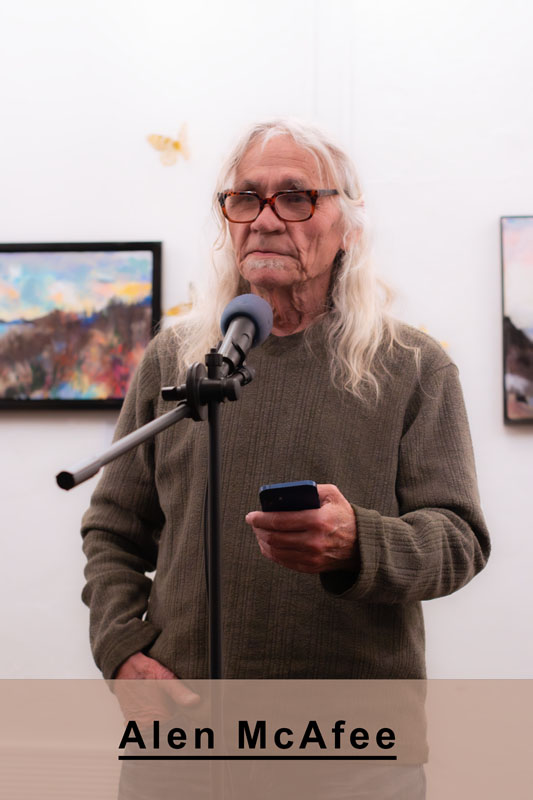
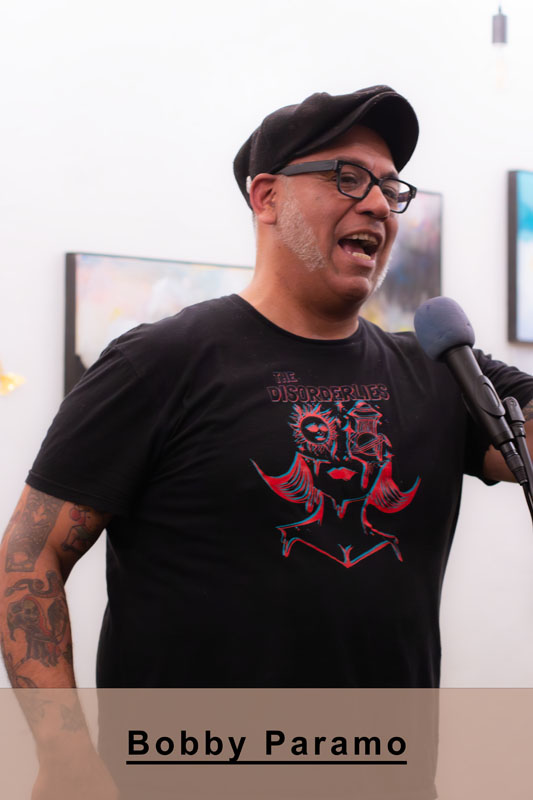
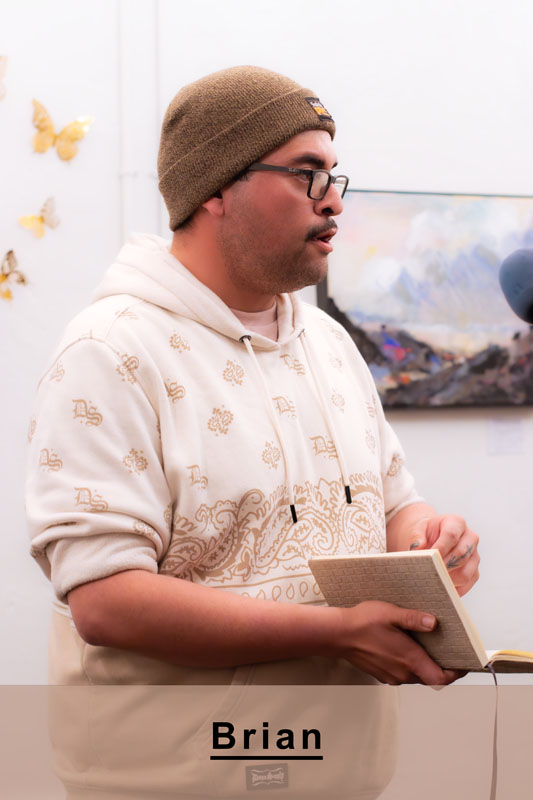
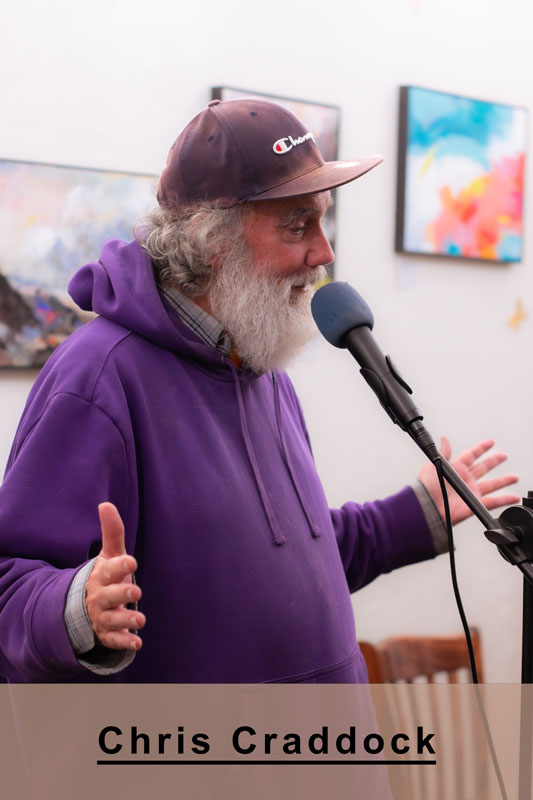
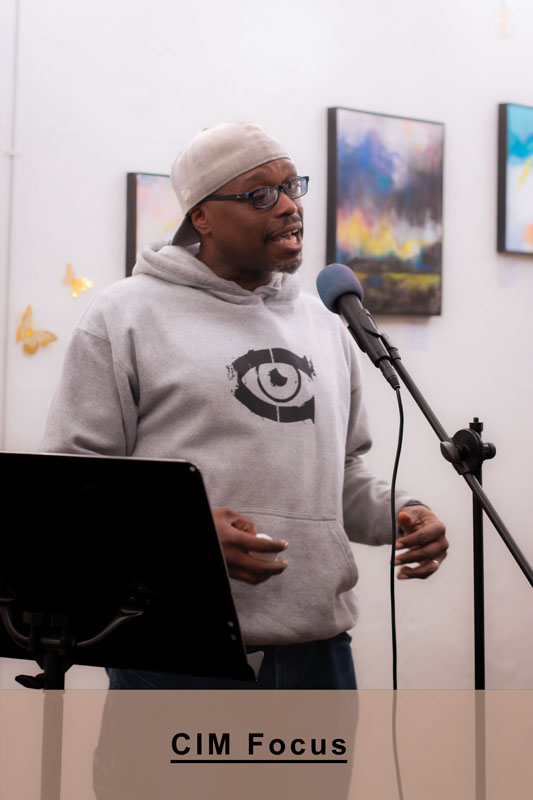
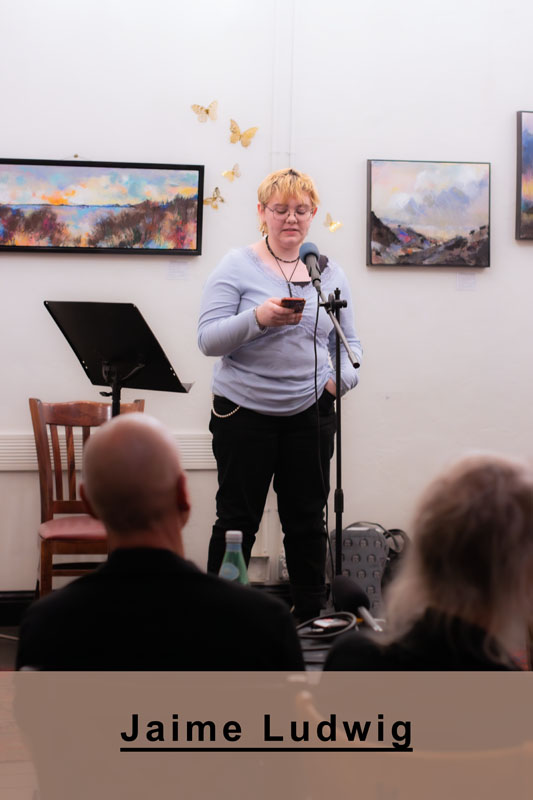
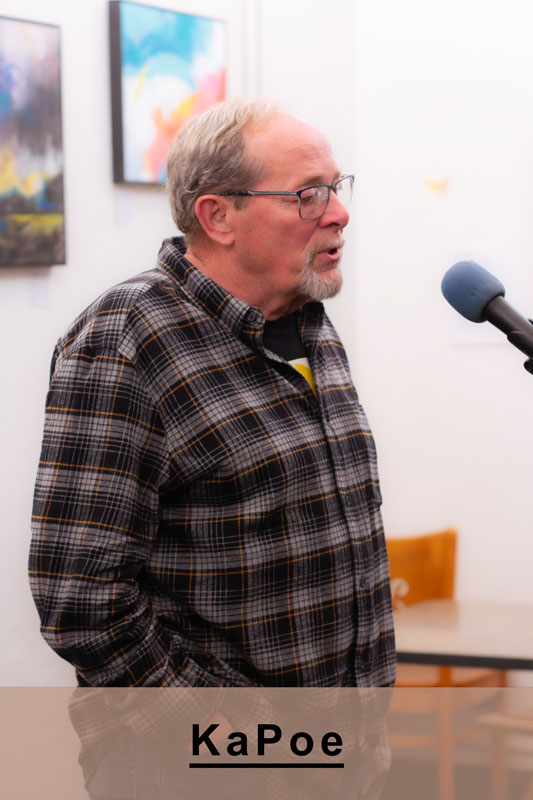
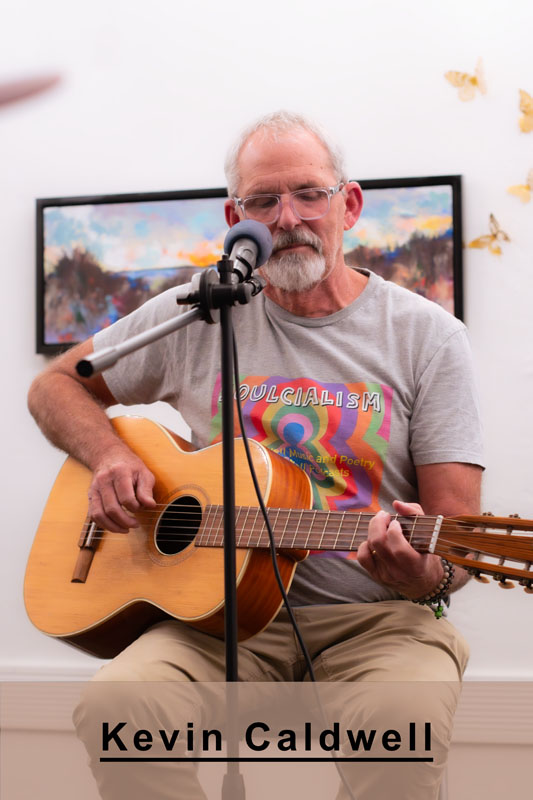
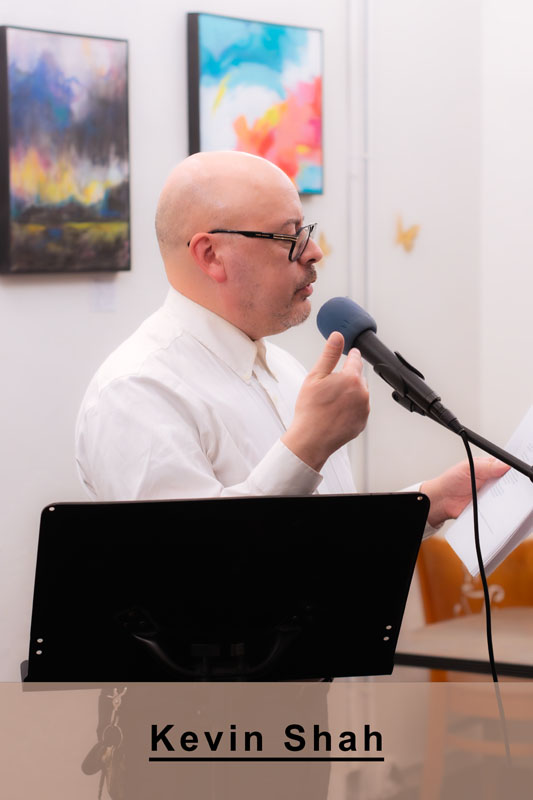
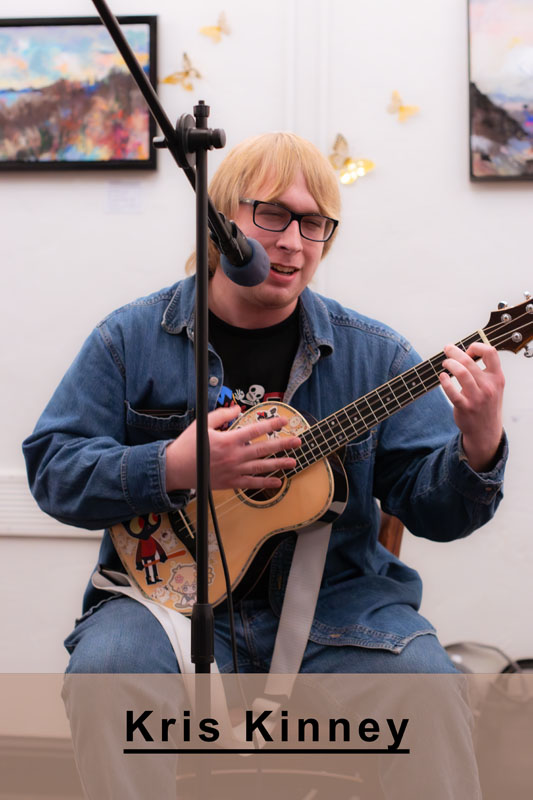
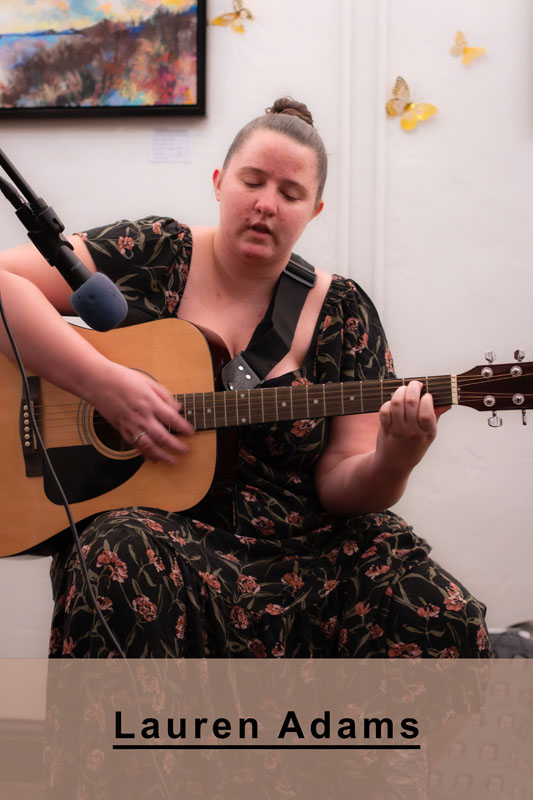
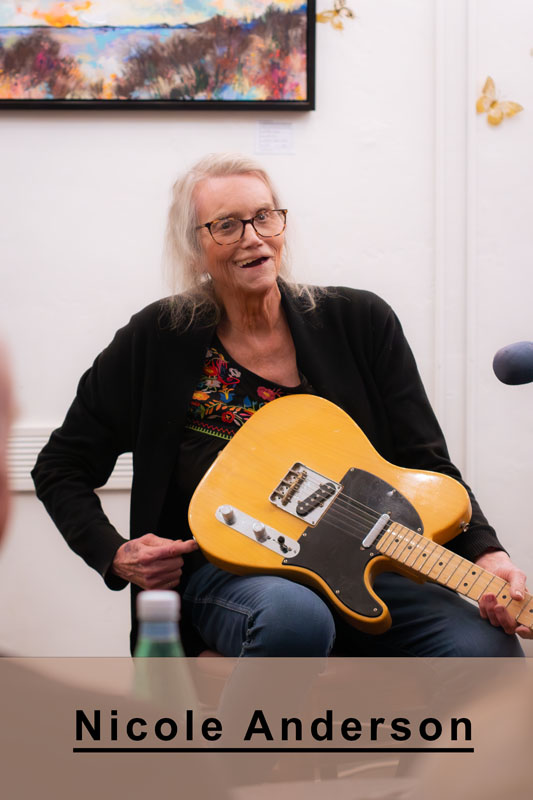
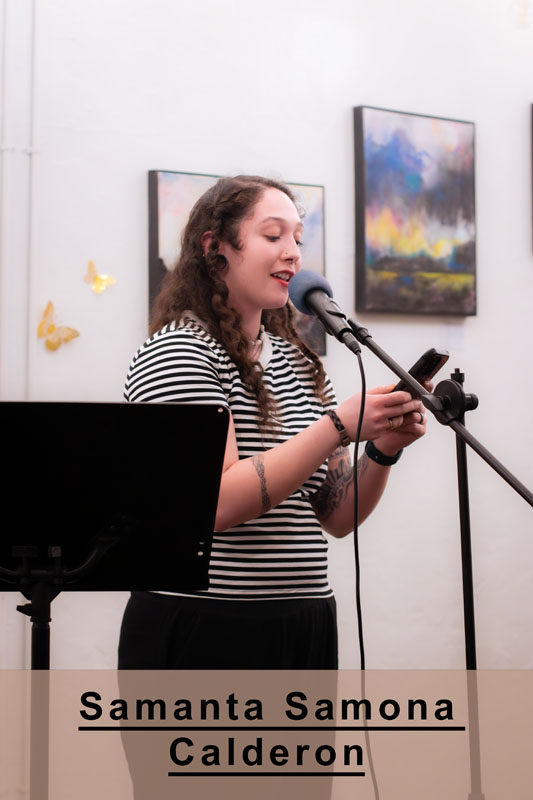
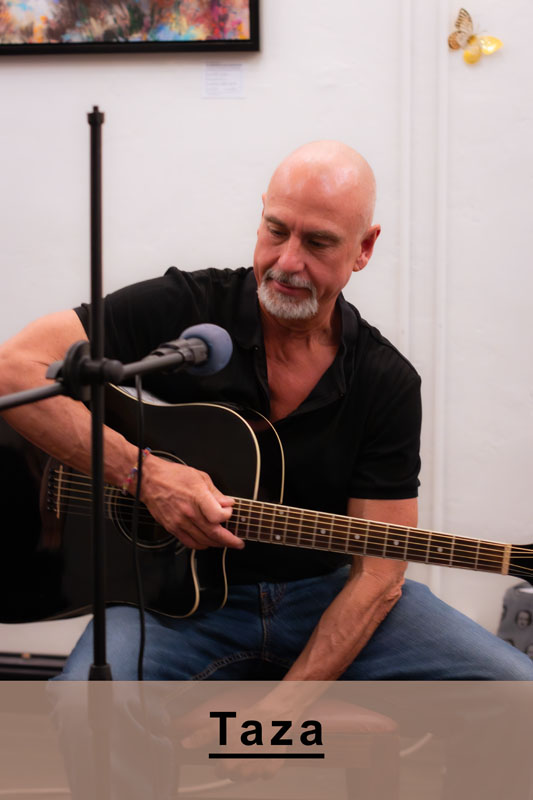
FEBRUARY 6th, 2026 – 6 PM – KERN POETRY OPEN MIC at DAGNY’S:
FIRST FRIDAY POETRY OPEN MIC
FEATURING Kevin Shah
reading heartfelt, humorous,
and haunting poems about
love, loss, and life…
Interview of Kevin Shah, Dagny’s Open Mic on First Friday, February 6, 2026
By: Carla Joy Martin
Heather Rose and Portia Choi hosted our Poetry Open Mic at Dagny’s on Friday, March 6, 2026. Kevin Shah was our featured poet. He shared a dynamic selection of his poetry. We asked him to send us a sampling of his verse read that night. He provided the three poems below, as well as his intriguing thoughts about the nature of poetry:
A FOX
twisted head of a hairy fox
found on a road
twisted story unknown
but clues in the blood
clues in the broken bones
and in the bushes
one fox, then many staring
at future fate
on highway High Desert
the fox stares as if in restful peace
of taxidermy
cut off from its wild history
those who live my the wild
die by the wild
yet his wild mixed with peace
is enough to make me envious
COYOTE
I drove up through the country as I do
Each day, and there on the freeway shoulder
I saw the kill, a coyote, the life still pooling
Round his tan body, his head loose
On his face a look of pure peace
What concerned me not was how he died
But how I might gain his peace right now
For your words and kisses have ended
And dying is too slow and too cruel
GHOST
Over in the corner. Here
in a lonely cafe. She has
your laugh. The music too
painful to bear.
Let me hear anything but
that. If she says what you
say, then I will know that
you have returned.
But only as a ghost.
Q. Kevin, what inspired you to write your poems? What are their back stories?
A. I want to share three short poems—Ghost and Fox, along with its revised version Coyote. I think these pieces reflect my compositional approach and the way many of my poems come together.
Ghost captures the heartache of a slow emotional death—when an important friendship that sometimes tiptoed into romance was ending. Friendship breakups, or even when people simply drift, can hurt in a different way. When someone who used to say your name, reach out, and share both work and life with you no longer does, it especially hurts. It’s the loss of something that felt almost spiritual—a connection with someone who knew you deeply.
Fox and Coyote are the same poem written at different times, and what inspired the original poem was seeing a fox on the road that had been killed. I remember seeing the look of peace on its face—no struggle, no tension, just giving in to its end. Of course, death is not this way. It’s not kind to anyone. But there is a certain clarity in death, and when you think about humans and love, you realize that animals operate on instinct and do not fall in and out of love. Again, it was a love story that inspired this.
What really inspires a poem is rubbing two opposite ideas together—ideas that wouldn’t normally go together. Roadkill in a love affair, for example. The ideas come to me in the form of inspiration. I wish I could say that I have a regular writing habit when it comes to poetry, but often I’m inspired most by songs, short poems, gatherings, and clever sayings.
While I am not a fan of politically driven poems, I do find that poetry can express pain, disappointment, and anger. I don’t think the poet necessarily has a political duty. What matters most is the craft. Even when people use their poems to make a point, I appreciate when there’s still an attempt to make it enjoyable. That’s a good test: if I can ignore what a poet is trying to say and fall in love with the words, then they’ve done their job.
Q. Do you like to read poetry? If you do, what poets have influenced you? Who have messages you connect with, or styles you admire?
A. I do love to read poetry, and I have to admit that I favor the classics and traditional forms, even though I use a lot of free verse. I have written a number of sonnets and often use iambic pentameter. I’m most influenced by people like James Joyce, who is primarily a novelist but also wrote some poetry, Dylan Thomas, Robert Frost, and very often lyricists like Tim Rice, Björn Ulvaeus of ABBA, and even Paul McCartney and John Lennon.
I think there is poetry in people’s dialogue and in a lot of rap music. I think that the message in a poem—what it says—is secondary. A poem primarily communicates through how it communicates. It’s often written in very condensed language and uses figurative language. For example, I often use personification. I’ll personify the moon as a traveler moving through the night.
I do admire when a writer can evoke certain experiences through the sound of words—hard textures in consonants, soft textures in syllables—and just the overall tone and feel of a poem when we hear it out loud. It’s a love cry, it’s the human howling in pain, it’s a sermon being preached about nature and perception.
Sometimes I find inspiration in the Bible, which I read every year from cover to cover, as well as writers such as Khalil Gibran, who wrote The Prophet—a model of poetry that not only envelops you with sound and sense and imagery, but speaks to the contradictions of life.
Q. What advice would you give to other folks wanting to create poems? How do you make a poem? Do you have a special place you go to, or music you listen to, etc.? Give us a glimpse into your creative process.
A. You must understand what poetry is. A college professor once told me that poetry is the most advanced and concise form of language. It’s the best writing that we have, because it speaks on so many levels that we have to decode it.
So it’s ideal for expressing emotion and truths in life that don’t seem to make sense otherwise. Why does someone love you one minute and then cool the next? Why do political differences come between relationships? That’s just one example.
People need to read poems, and people need to come to open mics to perform their poetry so they can sample how words live in other people’s hearing—what it feels like through people’s eyes and their reactions. Then they can revise.
I would really study the forms of poetry. Oftentimes I will write very quickly, because this tricks my logical brain into stepping aside and invites my creative brain to come in and move things around and play with words. I love the sounds and the rhythms of poetry. Poetry is the most condensed form of language we have.
You need to revise your poem many times. When I write a poem, I write it very quickly, but I come back to it years later sometimes. Sometimes the poem is not ready to dress up and go out for dinner and perform. Sometimes it just wants to lie down, stay home, like an unemployed teenager.
Then, when it grows a little—when it matures, or when your understanding of the world matures—you revisit it. You place it next to something you want to express, and you realize that the poem expresses it perfectly.
When you look at a poem, it may appear empty and dry. That’s the perfect environment for revision. Because when you revise, yes, you enter the emotion—but you also step out of it and let the poem be what it wants to be. I aim for simplification. I look for patterns. I look for metaphors that keep appearing in the poem. I don’t have a specific place where I write, but I’m often inspired by being outdoors or by my interactions with people.
Q. How does teaching influence your poetry? Do you gain inspiration from your students? Does explaining poetic imagery to them help you to use it yourself? Give us your perspective of writing lessons learned from a teacher’s experience!
A. Because I’m a teacher, I recognize that students need many different ways to read poems. I had a student at Valley Oaks Charter School where I taught who, in her 12th year of schooling, was convinced that she didn’t like poetry. But somewhere in the spring, I changed that for her, as I gave students techniques for how to read a poem and capture its essence without relying only on the logical brain—using patterns and letting words speak.
There’s a collective unconscious called archetype. If you see the word fire in a poem, it’s going to carry a range of meanings. Similarly, if you write the word fire quickly and don’t know where it came from, you may be tapping into that collective unconscious. So you pay attention to that, and you let the poem catch fire. You build the smoke, the charcoal, the burn—I’m speaking symbolically, of course.
In terms of composing good poems, sometimes I have a visual image, and sometimes I’m inspired most by children’s books and how succinct they are.
I’m also inspired by comedy and humor. As someone who writes memoir and literary humor and essays, I often bring those instincts into my poetry. I’ll take stories or ideas that might live in prose and reshape them into poems. For example, I have a poem I read at an open mic in February that is composed of made-up Latin (called Poetis Minimus). It involves a student being inspired by his professor’s suggestion that smoking marijuana might help his poetry and deal with the stress of performing in public. That kind of blending—serious and absurd, intellectual and playful—often finds its way into my work.
I also have some principles when it comes to teaching poetry. There are four key questions that can unlock any text for a high school or college student, and I talk about those primarily in my teaching practice and my writing tutoring and mentoring. There are also high-level storytelling techniques that I use in some poems to minimize cliché and maximize what feels true.
I’ve found that these ideas are best shared in conversation—when I can see how someone is interacting with a poem, what they’re noticing, and where their thinking is going. That’s usually when those ideas come out most naturally and are actually useful.
I’ve also started holding creative writing workshops where writers can get feedback to advance their stories and poems.
I’m always interested in meeting other poets, especially people who want to collaborate, share work, or just talk about writing and ideas. I can be reached at kevinshah4000@gmail.com.
Conclusion:
I want to thank Carla and Portia for inviting me to perform and to share these poems.
–
POETRY LIVES!
–
Open Mic hosts were:
Heather Rose
Portia Choi
Photographer, Videographer and Video Editor:
Juan Rico
Stay tuned to our Kern Poetry Home Page for the next Open Mic and Poetry Events!
